In addition to the "Secretaría de Comunicaciones y Transportes (SCT)", the "Secretaría de Energía (SENER)" (Secretariat/Ministry of Energy) is also responsible for the planning. The project managers awarded the contract for the construction and equipment of the route to a consortium of several companies.
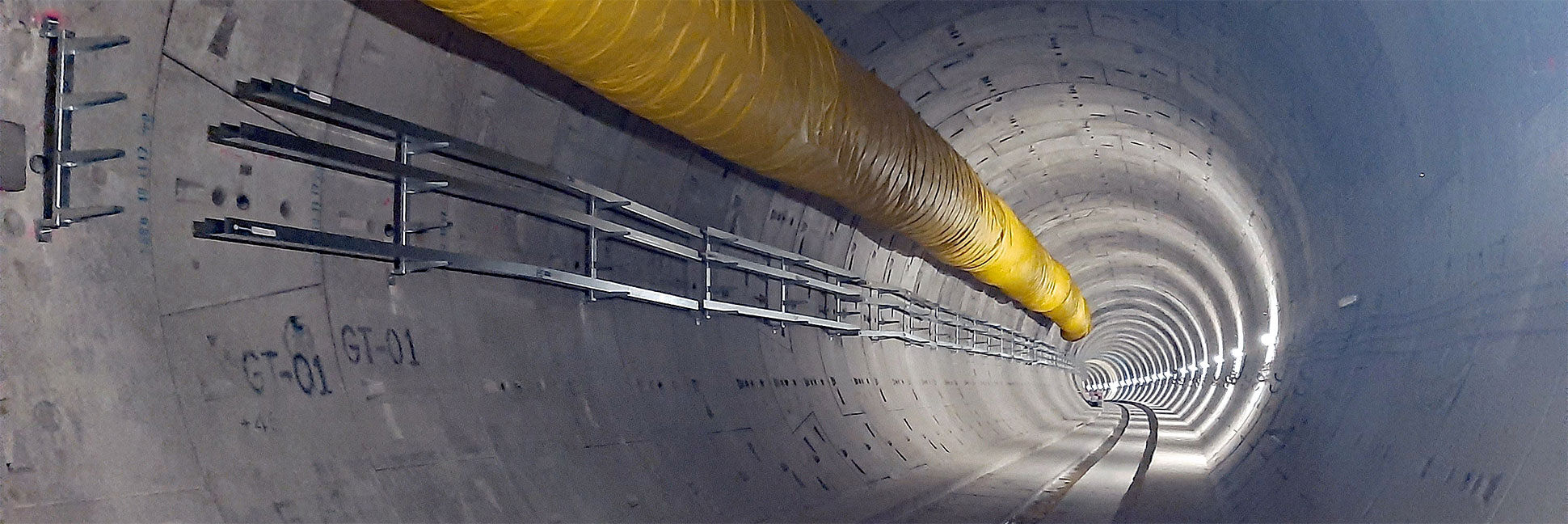
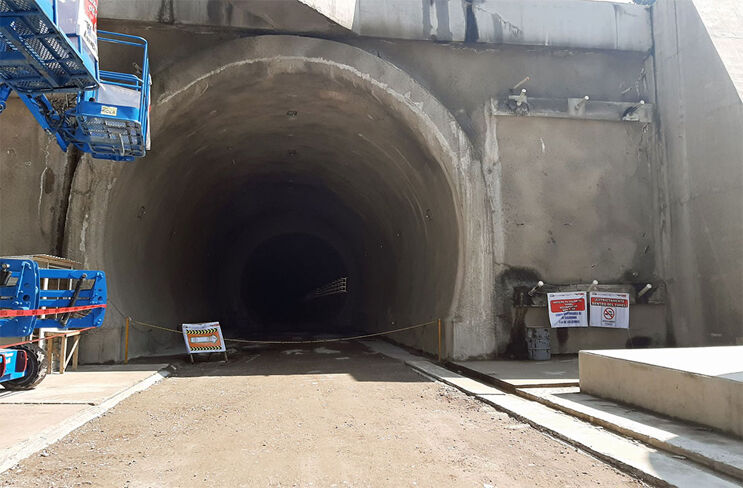
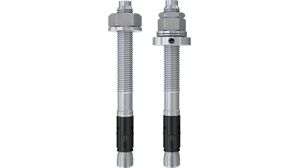
Almost the entire route runs above ground, with the track elevated on concrete supports. Only a 4.7-kilometer section runs underground through the tunneled mountain landscape of the Sierra de las Cruces. For this, a twin-tube tunnel is being constructed. Its two tubes are made of prefabricated concrete elements. To meet safety criteria, the planners have provided emergency walkways in the tunnel. These lead passengers to emergency exits, enabling people in dangerous situations to leave the tunnel. These walkways were reinforced with steel plates, which are securely fixed in concrete with fischer FAZ II bolt anchors size 20/60.